Henry Golding’s Bitemporal Width
Face Shape · front measurement
83.3%
86.5%
92.5%
Below the ideal range

MOGGLERLABS.COM
Bitemporal Width
Score
7.7 /10
Front Harmony
Summary
Henry Golding’s Bitemporal Width is 83.3%. The ideal range is 86.5%–92.5%, so it scores 7.7 out of 10. That is below the ideal range.
Henry Golding’s Bitemporal Width is higher than 2 of the 14 other men on the list, and 7 of them are inside the ideal range. The closest values are 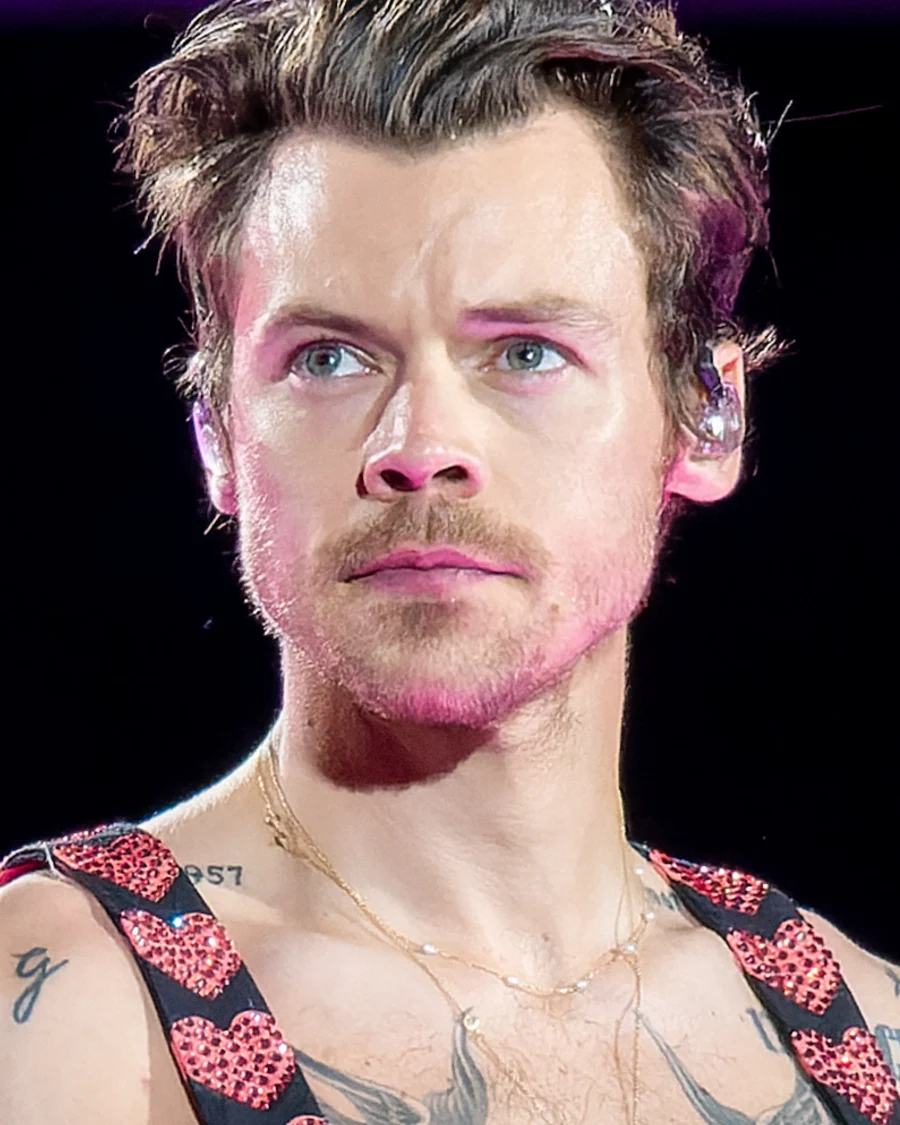 Harry Styles (83.9%),
 Chris Hemsworth (84.1%) and
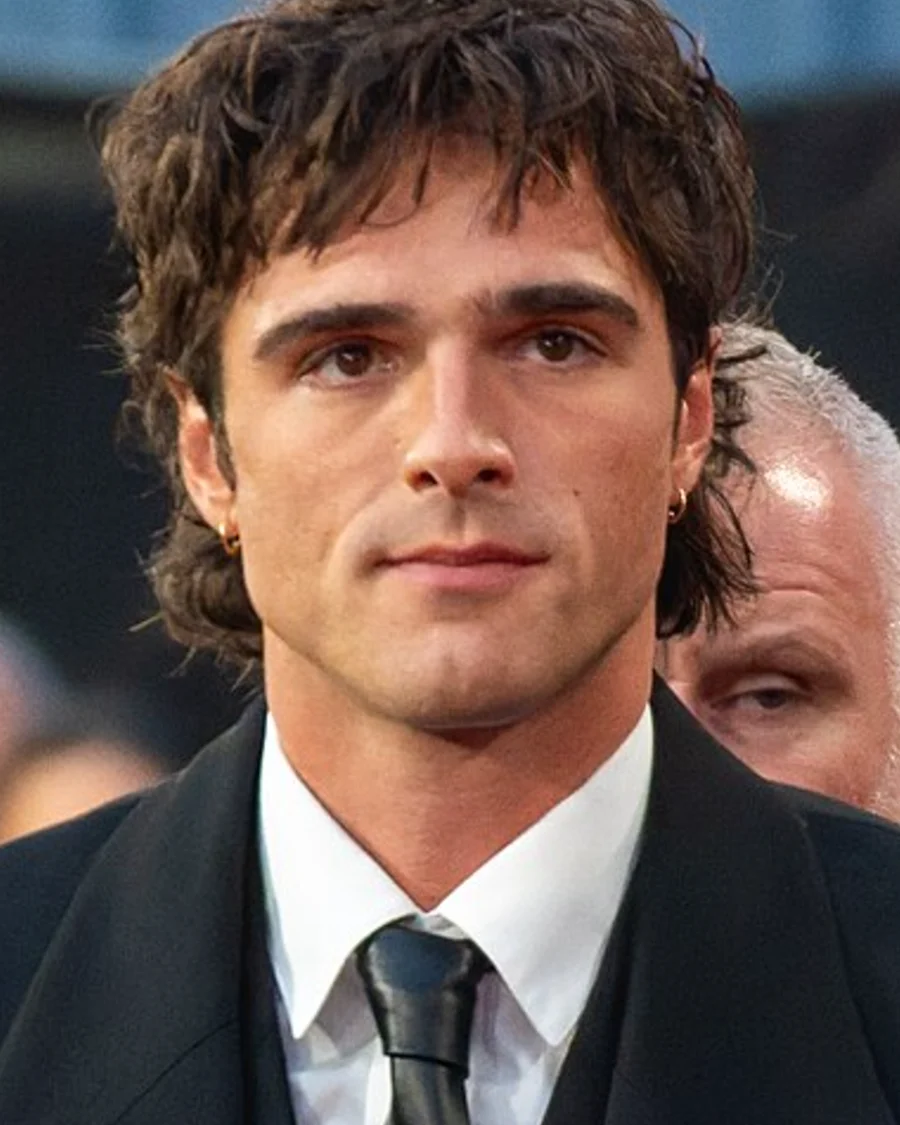 Jacob Elordi (84.3%). Of the others, the highest is
Francisco Lachowski (90.9%) and the lowest is
 Ryan Gosling (79.0%).
Henry Golding’s best other face shape measurement is Ear Protrusion Ratio with a score of 10.0. Henry Golding’s weakest other face shape measurement is Cheekbone Height with a score of 2.0.
Bitemporal Width counts toward Henry Golding’s Harmony score.
Similar Bitemporal Width
5

What the Bitemporal Width assesses
Bitemporal width is the distance between the two sides of the forehead at temple level, shown as a percentage of cheekbone width. It describes how the upper face tapers into the cheeks.
How it is taken
The two temple points and the two cheek points are landmarks. The temple distance is divided by the cheek distance and multiplied by 100, all in a levelled frame.
How it is usually read
Temples a little narrower than the cheekbones give the face a gentle taper and are the usual reading of a balanced upper face. Temples nearly as wide as the cheeks give a boxier outline; much narrower temples can make the forehead look pinched.
What moves it in a photo
Hair covering the temples doesn't change the measurement, which is taken from landmarks on the face, but harsh side lighting can make landmark placement wander slightly. Soft, even front light gives the cleanest result.
Questions
- What is the Bitemporal Width?
- Bitemporal width is the distance between the two sides of the forehead at temple level, shown as a percentage of cheekbone width. It describes how the upper face tapers into the cheeks.
- What is a good Bitemporal Width?
- For men the ideal range is 86.5%–92.5%. Henry Golding’s Bitemporal Width is 83.3%. The ideal range is 86.5%–92.5%, so it scores 7.7 out of 10.
- How do I find out my own Bitemporal Width?
- Run one straight-on photo through the free scan. It measures the Bitemporal Width in your browser and shows your value, the ideal range and the score.
Measured from one public photo. Angle, lens and hair move the numbers.
Your turn
Rate my face
The same measurements behind this bitemporal width, run on your own photo in the browser. Harmony is free, with no account and no card.